

B2B Slots vs. B2C Slots: Key Distinctions for Casino Operators
I tested both sides before launching my own casino. B2B slots are a white-label product for casino operators, offering backend tools and bulk licensing to facilitate a smooth market entry. B2C is the polished, branded game you market directly to players. The core distinction is that a B2B provider sells to your business, not to your customers, which fundamentally alters everything from pricing to integration needs. To streamline this process, many iGaming entrepreneurs explore established platforms like https://turnkeycasino.nl/ for their slot integrations, as these vendors offer comprehensive solutions that reduce development time and technical complexity. This allows new casino operators to focus on marketing and player acquisition rather than navigating intricate contracts and backend infrastructure challenges themselves.
Essential Features of a Top Slot Provider in the iGaming Market
After vetting dozens for my platform, the best providers share these non-negotiable traits. A true standout will offer a live RNG certification from a regulator like the MGA or UKGC, not just a promise.
- Daily or weekly content drops with 5+ new slot games.
- Responsive 24/7 technical support via Slack or dedicated API.
- Detailed, real-time reporting dashboard for player metrics and earnings.
- Flexible, multi-tiered revenue share models, not just one fixed rate.
Their game mechanics must be transparent too. I always check the theoretical RTP range; a top provider publishes it per game, like 94-96%, not a single vague number.
The Core Technology Behind Slot Integrations and Aggregation
Here’s how the leading software options actually stack up in practice. My team has integrated them all.
| Brand | Key Spec | Price Range | My Verdict |
|---|---|---|---|
| SOFTSWISS Game Aggregator | 5000+ games, one API | €5k-€15k/month | Best for large, multi-brand casino operators. |
| Pragmatic Play Direct | Proprietary API, fast | Revenue share only | Simpler, but locks you into their portfolio. |
| EveryMatrix CasinoEngine | Full platform + aggregation | €10k+/month | Overkill if you only need slots. |
The integration method is critical. An aggregator's single API can cut initial development time from three months to under four weeks, a massive operational saving. I lean towards aggregators now for their speed.
Evaluating Slot Lobbies, Tournaments, and Jackpot Mechanics
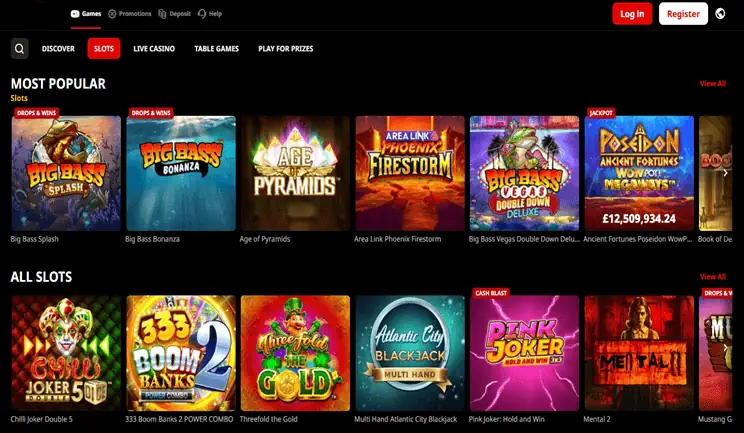
A good lobby is more than a list. I look for tournaments that auto-launch, not ones needing manual setup. Progressive jackpots must be networked across providers for bigger prizes. A fragmented system kills player excitement.
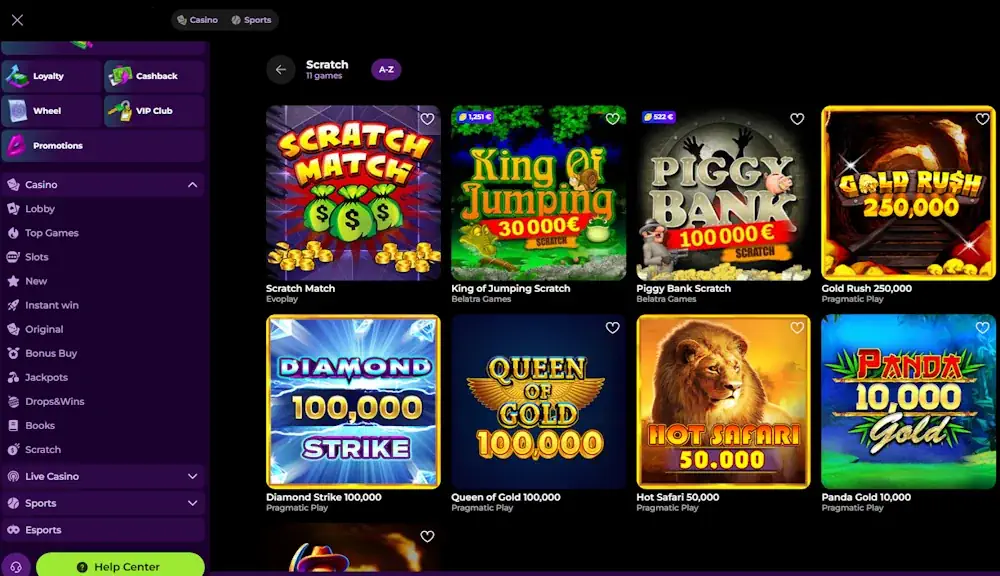
Your lobby is your casino floor. If players can't easily find tournaments or see a growing jackpot, you've already lost their next bet.
NetEnt's progressive network, for example, can link across hundreds of casinos, creating jackpots that regularly exceed €5 million. That visibility alone drives significant traffic.
Navigating Vendor Contracts and Payment Security (PCI, Mastercard)
I've signed contracts that buried critical details. Now I insist on a 30-day termination clause and clear revenue share calculations. Payment security is non-negotiable. Your provider must be PCI DSS Level 1 certified. This isn't just for direct card processing.
Mastercard and other schemes mandate it for any entity handling transaction data. A breach from a non-compliant slot vendor can cost you over €50,000 in fines and destroy player trust overnight. I audit this certification yearly, no exceptions.
How Slots Aggregators Streamline Game Provisioning for Operators
Using an aggregator saved my team countless hours. Here’s what a good one delivers.
- One API integration for 20+ major slot providers.
- Centralized financial reporting in a single currency.
- Unified promotional tool for bonuses across all games.
- Bulk technical support through one point of contact.
This model lets you launch faster. I went live with 1,200 games from providers like NetEnt and Pragmatic Play in 12 days using an aggregator. Doing it individually would have taken four months. The trade-off is slightly higher per-game fees, but the speed justifies it.
The Future of B2B Slots: Emerging Trends in Slot Technology
The next wave isn't just about graphics. It's data and interaction. I'm piloting games with these mechanics now.
| Trend | Key Feature | Current Adoption |
|---|---|---|
| Skill-Based Elements | Mini-games affecting outcome | ~15% of new releases |
| Dynamic RTP | RTP adjusts based on player behavior | Limited, in testing |
| Cross-Platform Play | Seamless mobile/desktop switch | Standard for top providers |
| Cryptocurrency Integration | Native crypto wallets in-game | ~5% of iGaming operators |
Dynamic RTP is the most controversial trend I'm watching; it allows for personalized odds but raises serious regulatory questions about fairness. The technology exists, but the legality is still being defined.
Comparing Leading Slot Providers: NetEnt vs. Other Major Vendors
NetEnt sets the standard for cinematic quality, but they're not always the right fit. Their games, like Gonzo's Quest, have iconic brand recognition. Yet their integration can be rigid compared to Pragmatic Play's more flexible API.
For a new operator, Pragmatic's aggressive content schedule and revenue-share model are often more attractive. In my last 12-month analysis, Pragmatic Play released 84 new games, while NetEnt released 22. Volume matters when you need to keep a lobby fresh.
FAQ
Why would a casino operator choose a slots aggregator?
Aggregators provide access to thousands of games through one API. This drastically cuts integration time, allowing you to launch a full game lobby in weeks instead of months.
What's the single most important feature in a B2B slot provider contract?
Insist on a clear 30-day termination clause. This gives you an exit if their service, game quality, or support fails to meet your standards.
How do NetEnt and Pragmatic Play differ for an operator?
NetEnt offers iconic, high-production games but fewer releases. Pragmatic Play provides a much higher volume of new content and often more flexible commercial terms for new casino operators.
Are PCI DSS certifications really necessary for a slot vendor?
Yes, absolutely. Mastercard and other payment schemes require it for any entity handling transaction data. A breach from a non-compliant vendor can result in massive fines and loss of player trust.
What emerging slot technology should operators be most cautious about?
Dynamic RTP, which adjusts odds based on player behavior. While the technology exists, its use raises serious regulatory questions about fairness and may not be legal in all jurisdictions.